 1
1Do I Really Need a Technical Co-Founder?
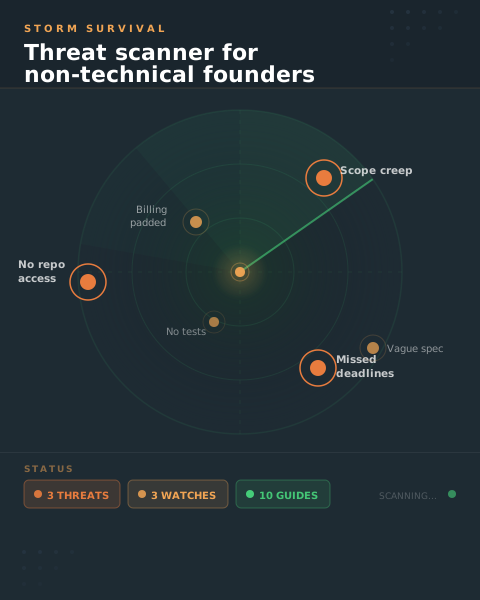
The myth that every startup needs a technical co-founder. Alternative models that work better for most founders.
Read guideWe've rescued 4 startups from failed agency builds. Here's everything we know: opinionated, based on real experience, and free.
Most founder advice is written by people selling something. We're writing this because we're tired of watching talented founders get burned by problems that are entirely avoidable.
We've been in the trenches. We've seen the red flags, the missed deadlines, the code nobody owns. These guides are what we'd tell a friend before they signed anything.
Opinionated. Based on real experience. Free.
24 guides published. Subscribe below to get new ones as they land.
Before you bring anyone on: co-founder, contractor, or offshore team.
1The myth that every startup needs a technical co-founder. Alternative models that work better for most founders.
Read guide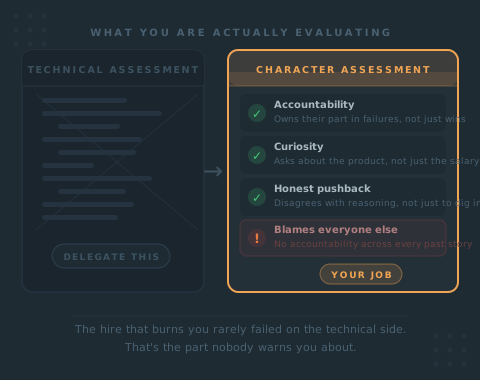 2
2Technical skill is only half the hire. A People Ops guide to reading character, asking the right questions, and spotting the red flags that actually predict failure.
Read guide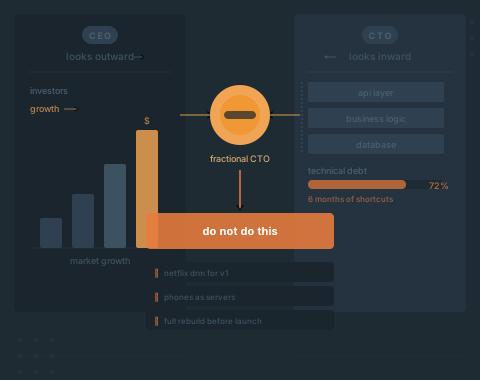 3
3A fractional CTO's most important job isn't technical. It's being the person who says 'do not do this' before you spend six months building the wrong thing.
Read guide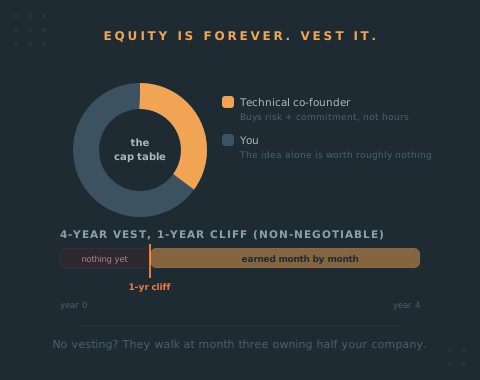 4
4Equity is the most expensive currency you have, and it's forever. What it actually buys, real ranges by role, and why vesting with a cliff is non-negotiable.
Read guide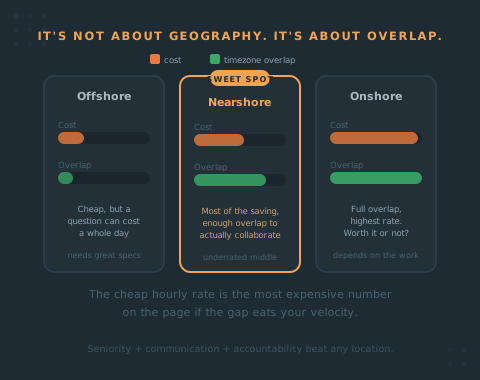 5
5The cheap hourly rate is the most expensive number on the page if the timezone gap eats your velocity. The real trade-offs across cost, overlap, communication, and quality.
Read guideWhat things should actually cost, and what to put in writing.
 1
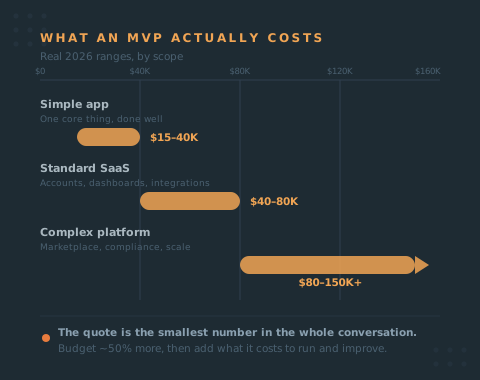
1Realistic pricing for MVPs: what drives cost, what's reasonable, and how to avoid getting ripped off or going too cheap.
Read guide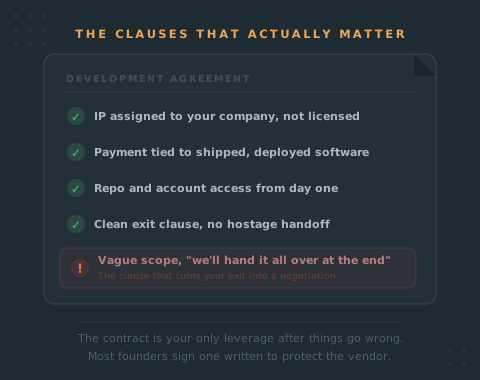 2
2The contract is your only real leverage after a build goes wrong, and most of the ones founders sign are written to protect the vendor, not you.
Read guide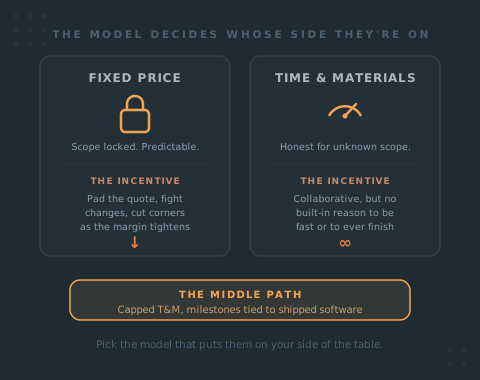 3
3The pricing model you pick quietly decides whose side the team is on. Fixed-price pushes them to pad and fight change. Hourly has no reason to finish. Here's how to choose.
Read guide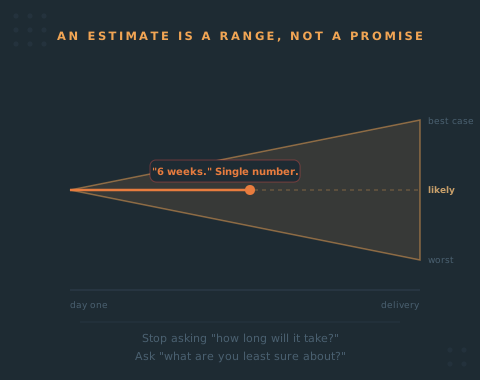 4
4A software estimate is a bet, not a promise. Learn to read the assumptions, risks, and ranges a good one shows, and spot the single confident number that hides all of it.
Read guideSpotting trouble, proving it, and getting out clean.
 1
1Red flags that indicate your agency is taking advantage of you, from someone who's rescued 4 projects from failed agencies.
Read guide 2
2The structural reasons dev agency relationships go wrong, and what to look for before you sign the next contract.
Read guide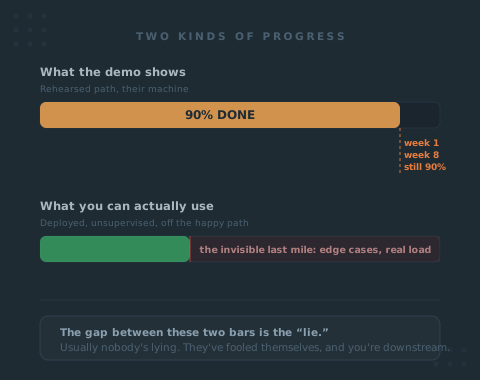 3
3Mid-project red flags that progress isn't real, why it's usually self-deception rather than malice, the questions that surface the truth, and what to do before it's too late.
Read guide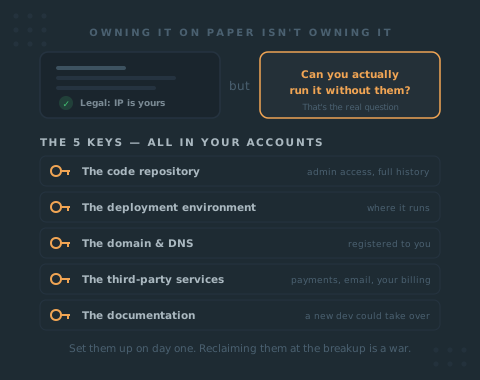 4
4Legal ownership is the easy part. Practical ownership, the ability to run, change, and move your product without your dev team, is where founders get held hostage.
Read guide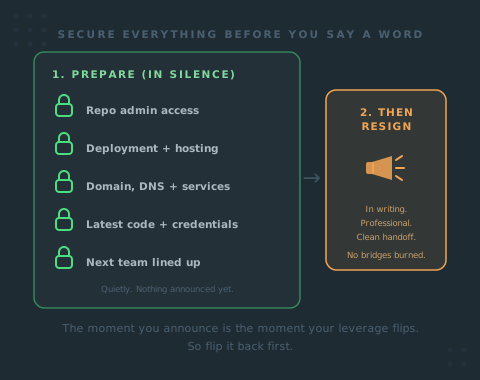 5
5The moment you announce you're leaving, your leverage flips. So you prepare in silence first: access, credentials, latest code, next team. Then you break the news.
Read guideEvaluating the build itself, AI tools included.
 1
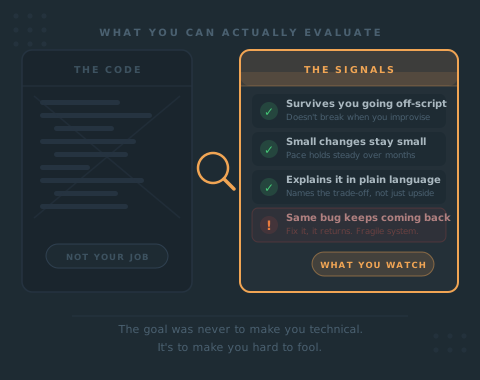
1You don't need to read code to tell if it's good. You need to evaluate outcomes, behaviour, and how your team answers questions. Here's how.
Read guide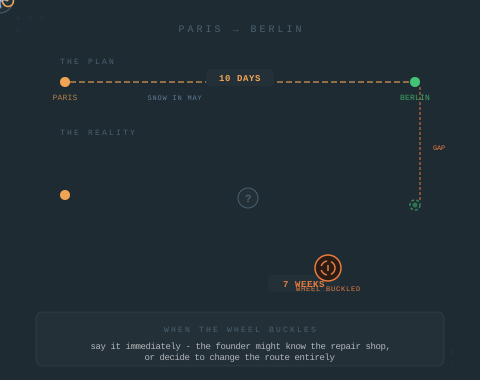 2
2Why software estimates are always wrong, why complexity silently kills development speed, and what you can actually do about it.
Read guide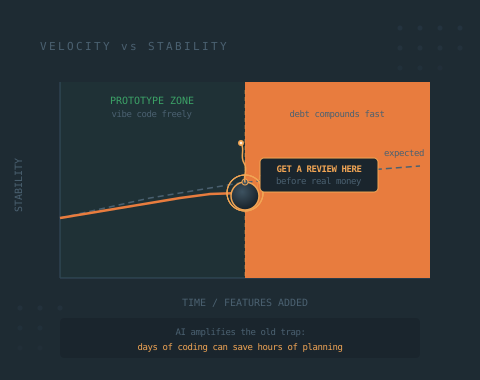 3
3AI tools let you build fast. Dangerously fast. A guide for non-technical founders on when vibe coding works, when it doesn't, and the exact moment you need a real engineer.
Read guide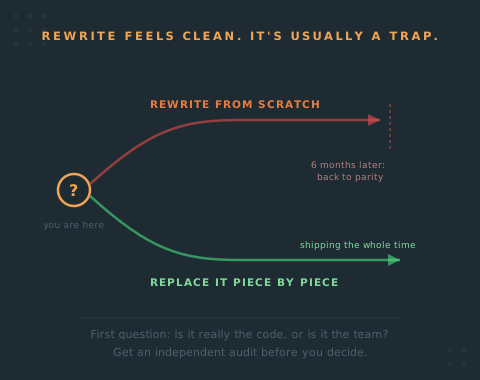 4
4A full rewrite feels clean and is usually a trap. Here's how to tell the rare case that justifies one from the far more common case where you should keep going and fix it.
Read guide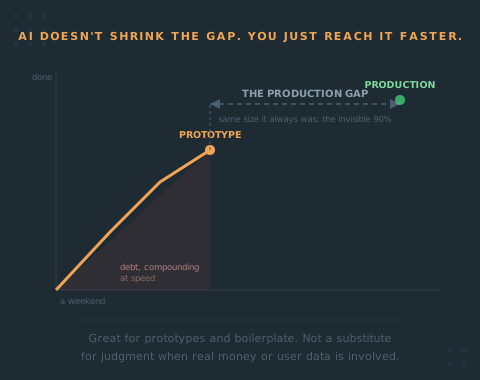 5
5AI can build your product faster than any team you could hire. That's exactly why the decision is dangerous. A founder's guide to when to let it, and when not to.
Read guideShipping is the start. Here's what happens next.
 1
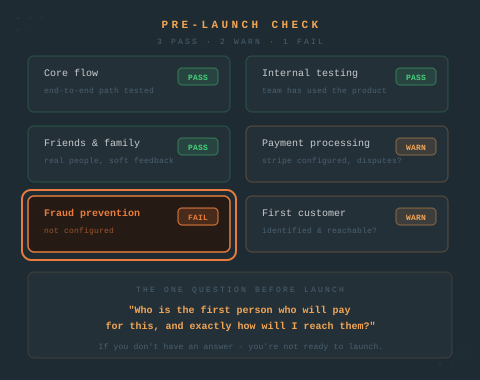
1What 'production-ready' actually means, why your testing won't catch everything, and the one question to answer before you go live.
Read guide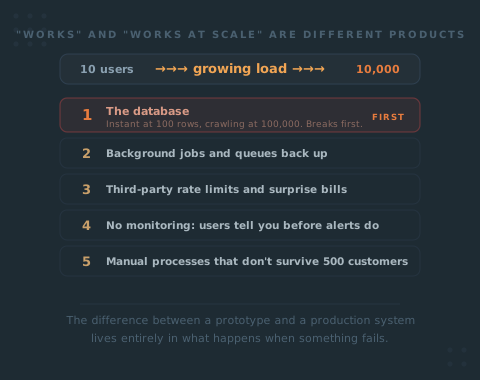 2
2Works and works at scale are two different products. Here's what actually breaks after launch, roughly in the order real users break it, and what to harden first.
Read guide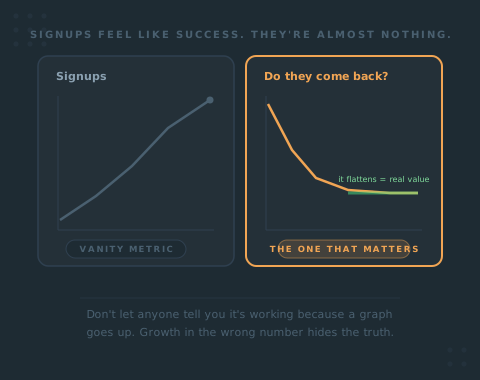 3
3Signups feel like success and mean almost nothing. Here's how to tell vanity metrics from the numbers that prove you actually have a business.
Read guide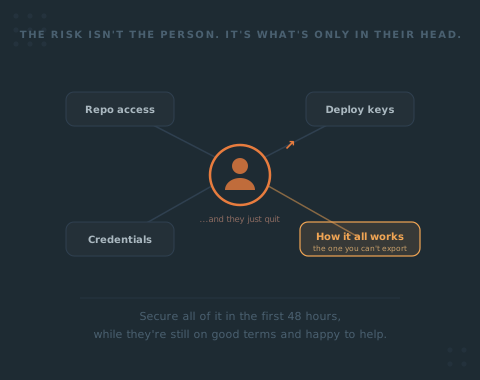 4
4The person leaving is not the real risk. Everything that lived only in their head is. A calm, first-48-hours checklist for securing access, knowledge, and the running product while the relationship is still warm.
Read guide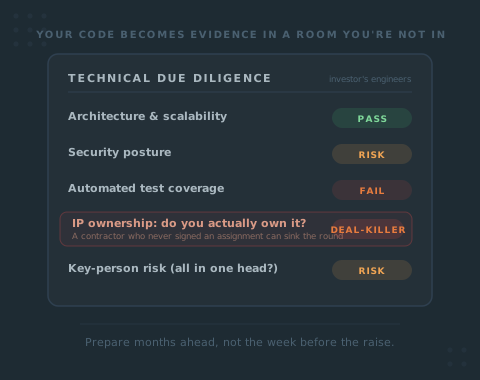 5
5When you raise a serious round, an engineer you'll never meet reviews your codebase and reports back to the people deciding your valuation. Here's what they look for and what each finding is worth.
Read guideThese guides give you enough knowledge to ask the right questions, spot bad actors early, and make decisions with confidence, without writing a line of code.
Hurricane Studio is a technical co-founder for non-technical founders. If you're looking for a partner, not an agency, let's talk.